
Criminal Cases in the Harney County Courts
Harney County Circuit Court is the main trial court for felonies and circuit-level misdemeanors. Its clerk maintains complaints, indictments, motions, hearing entries, judgments, sentences, and later filings. The courthouse is at 450 North Buena Vista Avenue in Burns, and the court telephone is 541-573-5207. Because the Twenty-Fourth Judicial District is administered with Grant County, official Harney pages can appear under a Grant path on the Oregon Judicial Department website. Check the page label, court location, and case number before assuming a result belongs elsewhere.
Burns Municipal Court separately handles matters within city jurisdiction. A municipal citation will not always appear in the Harney Circuit Court file. Call the municipal court at 541-573-5255 with the citation number, name, and approximate date. Hines also has municipal authority under its charter, but no current standalone case portal was verified. The court named on the citation is the best routing clue. The clerk of each court is custodian of its own file.
OJCIN Finds Harney Criminal Cases
Oregon eCourt Smart Search, part of OJCIN, provides free basic case-record discovery. Choose the Harney location when available and use an exact case number for the cleanest match. A name search may return people with similar names, so compare the court, filing date, party role, case type, and charge sequence. Date of birth and other personal identifiers may not be remotely displayed or searchable for every user.
Basic access may show the register of actions and case details, while paid OJCIN OnLine access can provide documents allowed at that access level. Protected or older material may require a courthouse terminal or a clerk request. Search results are an index, not a certified copy.
How to Search Case Records
Start with enough facts to distinguish the right Harney County criminal case. A spelling variant, approximate filing year, or citation number can help when the full case number is unknown. Then move from discovery to the document that answers the question.
- Open Oregon eCourt Smart Search and select the Harney court location.
- Search by exact case number, or enter the party's name with careful spelling.
- Narrow results with criminal case type, status, date range, and available identity fields.
- Read the charge rows, register of actions, hearings, disposition, and judgment date.
- Ask the Harney clerk for the named document, plain copy, or certified copy needed.
| Field | Type | Use | Harney search note |
|---|---|---|---|
| Search location | Dropdown | Optional filter | Select Harney when available. |
| Case number | Text | Conditional | Best exact-match key. |
| Last or business name | Text | Conditional | Check spelling variants. |
| First and middle name | Text | Optional | Helps separate common names. |
| Case type, status, dates | Filters | Optional | Narrow to likely criminal filings. |
Harney Criminal Court Copies
The Harney clerk is the authority for certified copies and case material that is not available remotely. A focused request should give the court and county, exact case number when known, party name, approximate filing year, and each document sought. Name the judgment, complaint, register, motion, order, audio, or full file instead of asking broadly for “everything.” State whether a plain or certified copy is needed and whether email, mail, pickup, or inspection is preferred.
Fees depend on the copy type, certification, medium, and staff work. Ask for a current quote. Older or unscanned Harney County criminal records may need archive retrieval, and audio or transcript requests follow separate OJD procedures. Calling ahead matters in a county covering more than 10,000 square miles. Confirm counter access, weather effects, and current hours before traveling to Burns.
A copy request also works when a name search is inconclusive. Ask staff to search by party name and approximate year, then request a quote before retrieval begins. Electronic delivery can spare a long trip, but the clerk decides what format is available. Certification matters when a reader needs the court to attest that a copy is a true copy of the record. A screen print from OJCIN does not carry that certification.
What the Case File Shows
A Harney County criminal case file is organized around one court case, not one jail stay. Read from the charging document through the last judgment or order. Counts can change, and an early complaint may not show the final result.
| Case number and court | Identifies the Harney location, case type, filing date, and correct judicial file. |
|---|---|
| Charging document | Shows the complaint, information, or filed indictment and its alleged statutes. |
| Register of actions | Lists filings, notices, warrants, hearings, orders, and other docket events in time order. |
| Charges and parties | May show count sequence, offense class, State of Oregon, defendant, and counsel. |
| Disposition and judgment | Records dismissal, acquittal, plea or verdict, judgment date, and outcome by count. |
| Sentence and finances | May show custody, supervision, conditions, fines, fees, restitution, and balances. |
Federal Harney Cases Use PACER
Conduct in Harney County can produce a federal case, especially on its extensive federal lands. Federal criminal dockets do not appear in OJCIN. The official PACER service searches the U.S. District Court for the District of Oregon by party or case number. Registration is required. PACER generally charges $0.10 per page, subject to its document cap and quarterly fee waiver when total charges are $30 or less.
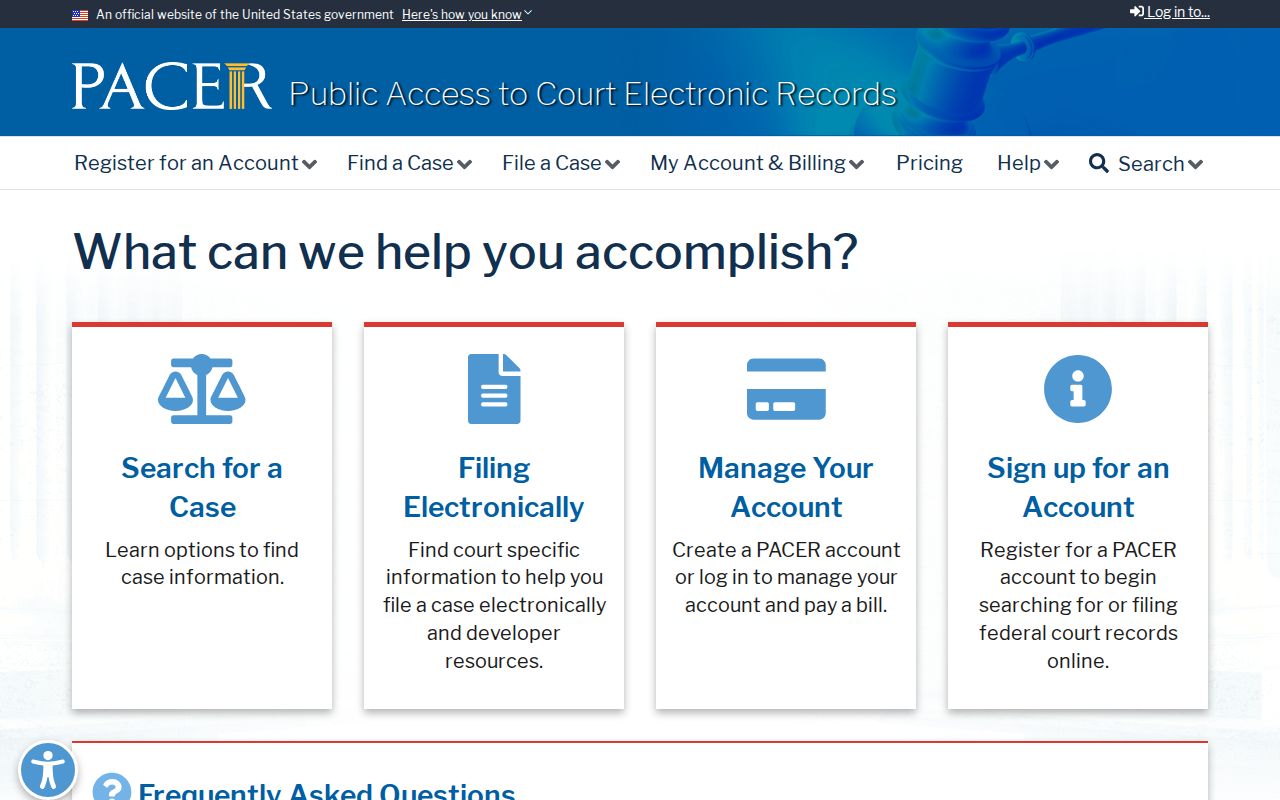
The PACER screen illustrates why a state search alone can miss a prosecution tied to Harney County. The federal clerk remains the authority for certified federal documents.
Stages of a Criminal Case
A Harney County criminal court case begins when a prosecutor files a complaint or information, or a grand jury returns an indictment. The defendant appears for arraignment, where charges are stated and a plea is taken. Discovery, motions, and pretrial hearings follow. A count may end by dismissal, negotiated plea, trial acquittal, or trial conviction. The judgment records the final disposition and sentence. Appeals, post-conviction filings, or a later set-aside motion can add entries after closure.
Case flow: Charges Filed › Arraignment › Pretrial › Plea or Trial › Disposition › Sentencing
Do not substitute an arrest charge for the filed charge. Prosecutor review can change the count, and each count can reach a different outcome.
Harney Criminal Case Custody
A judgment shows the sentence the court imposed, but it is not a live custody locator. Oregon Offender Search covers people under Oregon DOC custody or supervision. The Harney jail answers local pretrial or short-term custody questions. Federal custody uses a separate system.
The official Bureau of Prisons inmate locator is the federal custody channel associated with federal court outcomes.
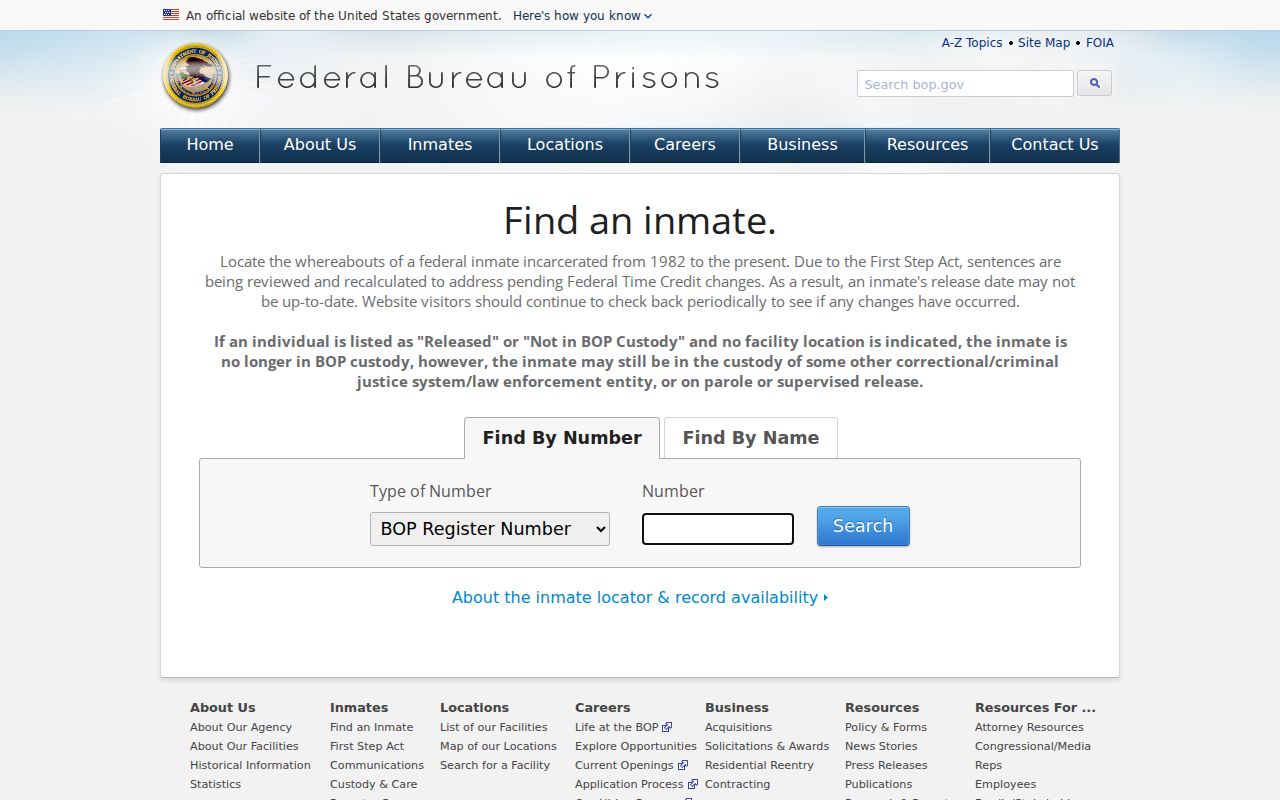
The locator can connect a federal judgment to custody information, but it does not replace the docket or cover the Harney jail and Oregon DOC.
Read Harney Criminal Case Dispositions
Disposition means the outcome of a charge or case. “Dismissal” ends a count without conviction on that count. “Acquittal” is a not-guilty result after adjudication. “Conviction” is a judgment of guilt after plea or verdict. A register may list all three outcomes in one multi-count Harney County case, so the case status alone is not enough.
Read the final judgment and match each count number, statute, disposition date, and sentence. A plea agreement is a negotiated resolution subject to court action. Concurrent custody terms run at the same time, while consecutive terms run one after another. Restitution is court-ordered payment for qualifying victim loss. These plain meanings help prevent a docket event from being read as a final outcome.
Warrant entries also need context. A bench warrant often follows a missed hearing or failure to comply, while a later entry may show recall or quashing. The online register can lag behind the issuing court's action. Anyone resolving their own Harney County criminal case should confirm live warrant status with the issuing court and use the case number during the call. Payment or appearance does not always clear every connected system at once.
Access and Restrictions
Oregon Public Records Law creates procedures for nonexempt public records, while court access also follows Oregon Judicial Department rules, statutes, and case-specific orders. Remote access can omit juvenile matters, sealed or set-aside cases, grand-jury material, victim and minor details, medical or mental-health information, confidential identifiers, and protected investigative content. A blank search does not prove that no Harney County criminal case exists.
Ask the clerk whether the record is held under another number, remains only in paper form, or is unavailable by law. Under ORS 137.225, a qualifying person files a set-aside motion in the court where the conviction, arrest, citation, or charge was recorded. Current OJD instructions state that the motion has no court filing fee, but eligibility depends on current law and the case. Once granted, updates to OSP and contributing agencies are not instant.
Oregon criminal-history law and court access rules serve different records. ORS 181A.245 controls the limited OSP release about another person, while OJCIN presents filed judicial events. A reader seeking the full Harney judgment should use the court channel. Someone reviewing their own statewide fingerprint-linked history should use OSP's Copy of Own Record process. Keeping those products separate prevents a limited state response from being mistaken for the full case file.